Effective Communication
Importance of Framing
Medical literacy + Language barriers
- Framing influences patients' perception of risks, benefits, and expectations.
- Use of interpreters significantly improve non-English speakers understanding.
Dana Lucia Martinez et al 2024, Cevallos et al 2024, van lent et al 2024, Mudie et al 2023
Co-morbidities and limitations to visual outcomes
Finde et al 2010
Discussion Topics
Benefits of surgery do not currently outweigh risks
- Patients should expect to have a meaningful improvement in vision and ability to perform daily activities after cataract surgery.
Risks cannot be sufficiencly mitigated
- Cannot ensure appropriate post-operative care or follow up.
- Comorbidities are poorly controlled.
Cataract re-evaluation appointment
Timeframe varies depending on several factors.
Strategies
Metaphors
Lens = M&M

Lens capsule = M&M shell
Cortex = White crunch
Epinucleus = Chocolate
Nucleus = Peanut
Zonules
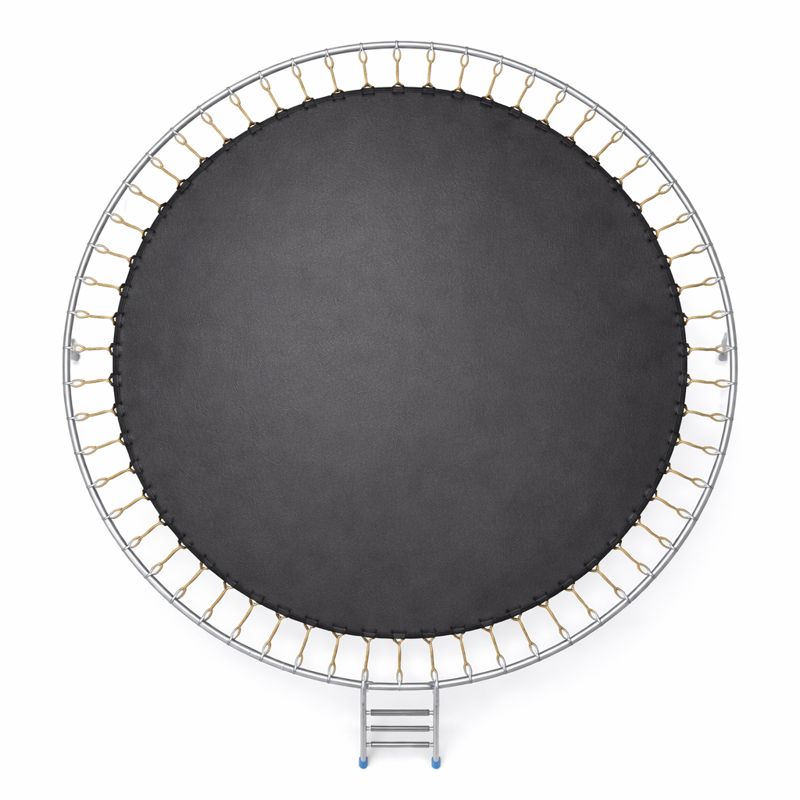
Zonules = Trampoline springs
Lens capsule = Trampoline
Cornea


Cornea = Windshield, Aqueous fluid = Water,
Damaged (endothelial or epithelial) surface = Windshield cracks
Glaser et al 2020
Teach back method
- Reduces pre and peri-operative anxiety.
- Increases perioperative patient compliance, patients' ocular health literacy, and informed consent.
Shen et al 2023, Seely et al 2022